Introduction
A thorough inspection is the backbone of effective dryer vent cleaning. In Elizabeth, New Jersey, where homes range from pre-war buildings to modern townhouses, vent paths can be short and simple or long and labyrinthine. This inspection checklist is designed to help homeowners, property managers, and maintenance teams evaluate vent safety, performance, and readiness for professional cleaning. By following a structured process, you can spot problems early, schedule timely service, and keep laundry systems running efficiently. For complete remediation and measurable results, pair this checklist with scheduled dryer vent cleaning performed by a qualified provider.
Pre-Inspection Preparation
- Clear a safe path to the laundry area and around the dryer.
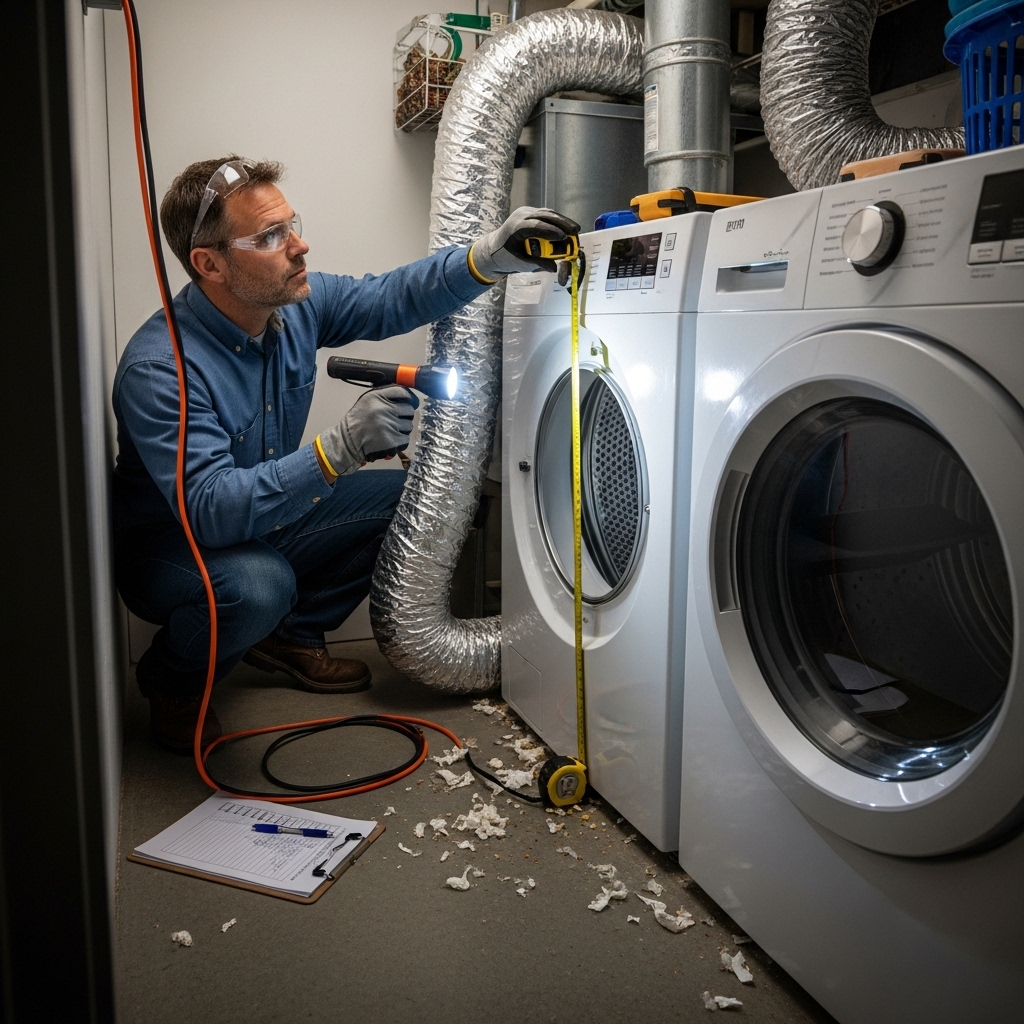
- Gather a flashlight, tape measure, and notepad for documenting findings.
- Identify the exterior termination point and ensure safe access.
- If available, note the age of the dryer and the date of the last vent service.
- Inform household members that the dryer will be tested during the inspection.
Safety and Material Checks
- Transition Hose: Confirm it is not crushed, kinked, or torn and is made from safe material.
- Vent Duct Material: Prefer smooth-wall metal ducting; avoid thin plastic or foil with spiral ridges.
- Connection Integrity: Inspect clamps and joints for secure attachment and signs of air leaks.
- Clearances: Ensure the dryer is positioned to prevent crushing the transition when pushed back.
- Electrical and Gas Safety: Verify cords and lines are in good condition and not pinched by the appliance.
Routing and Length Assessment
- Path Mapping: Trace the vent route from the dryer to the exterior termination.
- Elbows and Turns: Count the number of elbows; note any sharp bends that add resistance.
- Run Length: Measure or estimate total length; long horizontal runs are higher risk for accumulation.
- Hidden Sections: Identify any concealed segments behind walls, ceilings, or cabinets.
- Unheated Spaces: Note runs through garages, attics, or crawlspaces that may need insulation.
Operational Checks
- Lint Screen: Confirm it is cleaned and free of residue; wash if airflow seems low.
- Exterior Hood: With the dryer running, verify the flap opens fully and air flows strongly.
- Noise and Vibration: Listen for rattling that could indicate loose duct sections.
- Odor and Heat: Check for musty smells or excessive heat in the laundry area during operation.
- Drying Time: Note the duration of a standard cycle; longer times suggest restriction.
Visual Indicators of Restriction
- Lint Accumulation: Look for lint around the dryer, on walls, or at the exterior termination.
- Discoloration: Check for heat discoloration on the transition hose or nearby surfaces.
- Moisture Signs: Look for condensation, staining, or damp patches along vent routes.
- Pest Activity: Inspect for nesting materials at the exterior hood or within the vent.
- Hood Condition: Ensure the hood is free of rust, damage, or stuck components.
Inspection Steps for Multifamily Properties
- Usage Tracking: Log cycles per day or week for each machine to guide cleaning frequency.
- Airflow Baseline: Record airflow readings before cleaning; compare after service.
- Access Planning: Identify keys, roof access, and ladder needs for safe termination access.
- Resident Communication: Provide guidance on lint screen habits and reporting slowdowns.
- Documentation: Maintain service logs for each unit and shared laundry room.
Interior Access and Transition Focus
The transition hose is a frequent pinch point. Even a high-quality vent can be undermined if the connector behind the dryer is crushed when the unit is pushed back. Inspect the hose’s shape after the dryer is in its normal position, and confirm there is enough clearance for airflow. If space is tight, consider an offset vent box or a shorter, sturdier connector recommended by professionals.
Exterior Termination Details
- Flap Movement: Confirm free movement without sticking; lubricants are generally unnecessary if the design is sound.
- Screening: Avoid fine screens that trap lint unless you can maintain them frequently.
- Obstructions: Check for landscaping, snow, or debris blocking the opening.
- Mounting: Inspect fasteners and seals to prevent air leaks and water intrusion.
- Location Hazards: Note high terminations that require ladders or roof access and plan safe professional cleaning.
Elizabeth, NJ Context
Historic homes may have longer routes or unusual turns due to retrofits. Townhomes can vent through side walls at heights that complicate access. Winds off Newark Bay can create downdrafts that keep flaps from opening fully, while traffic-dense corridors may increase particulate matter at terminations. Recognizing these patterns helps shape your maintenance schedule and informs any upgrades.
When Inspection Indicates Immediate Cleaning
- Exterior flap barely opens or stays shut during a cycle.
- Dryer shuts off on high heat or displays airflow-related alerts.
- Visible lint mats inside the hood or around the transition connection.
- Persistent musty odor from clean fabrics after drying.
- Cycle times have steadily increased over recent months.
Mid-Checklist Reminder
If your inspection uncovers restricted airflow, schedule a comprehensive professional dryer vent cleaning to restore performance and reduce risk. Follow up with airflow verification to confirm success.
Post-Cleaning Verification Checklist
- Airflow: Confirm a strong, steady exhaust at the exterior hood.
- Cycle Time: Verify that typical loads finish in expected timeframes.
- Temperature: Ensure the laundry area no longer feels excessively hot during operation.
- Hood Action: Observe full flap movement without sticking or fluttering.
- Transition Integrity: Recheck the hose after the dryer has been moved back into place.
Maintenance Cadence and Recordkeeping
Set a recurring schedule for inspection and cleaning that reflects your household size, vent complexity, and seasonal conditions. Keep a simple log with dates, airflow notes, and any repairs. For property managers, tie this log to each unit and machine to support consistent maintenance and quick troubleshooting.
Frequently Asked Questions
Q: How often should I inspect the exterior hood?
A: A quick visual check monthly and a closer look each season is a good rhythm, especially after storms or yard work.
Q: Are long horizontal runs always a problem?
A: Not always, but they are more prone to accumulation. Plan more frequent cleaning and consider rerouting if practical.
Q: Can I add a screen to keep out pests?
A: Use hood designs that discourage pests without restrictive screens, or maintain any screens diligently to prevent clogging.
Q: What indicates a crushed duct behind finishes?
A: Recurring slowdowns after cleaning, rattling noises, or damp areas along the route can point to hidden damage.
Q: Is insulating the vent helpful?
A: In unheated spaces, insulation can reduce condensation. Use appropriate materials and installation methods.
Q: Do scented products affect airflow?
A: Residues can reduce lint screen permeability; wash the screen periodically with mild soap.
Q: What about rooftop terminations?
A: They require safe access and professional tools; schedule service rather than attempting risky DIY work.
Act on Your Findings
If your inspection reveals weak airflow, visible lint at terminations, or frequent high-heat shutoffs, do not wait. Schedule trusted dryer vent cleaning to restore safe, efficient operation for your Elizabeth home or property.
