Introduction
A clothes dryer is one of the hardest working appliances in any home, yet the pathway that carries hot, moist air and lint outside is often overlooked. In a dense, historic, and weather-diverse city like Elizabeth, New Jersey, that oversight can lead to longer drying times, higher energy use, and unnecessary safety risks. This guide explains what a professional dryer vent cleaning service actually does, why it matters for households and multifamily buildings across Elizabeth, how often to schedule it, and what to expect before, during, and after the appointment. If you want the short version: consistently scheduled dryer vent cleaning improves safety, boosts efficiency, and extends the life of your dryer.
Unlike the removable lint screen inside your dryer, the vent and ductwork hide behind the machine, within walls, and along exterior runs. Over months of everyday laundry, lint and debris can collect in elbows, seams, and long horizontal sections. Add in Elizabeth’s seasonal swings—pollen in spring, humidity in summer, and cold snaps in winter—and vents can accumulate a combination of fibers and fine dust that benefit from periodic, professional attention. Whether you live in a single-family home near North Broad Street, a brownstone-style residence close to Midtown, or a multi-unit building in one of Elizabeth’s many neighborhoods, a well-maintained dryer vent is a small upgrade that yields big returns in safety and performance.
What a Dryer Vent Cleaning Service Includes
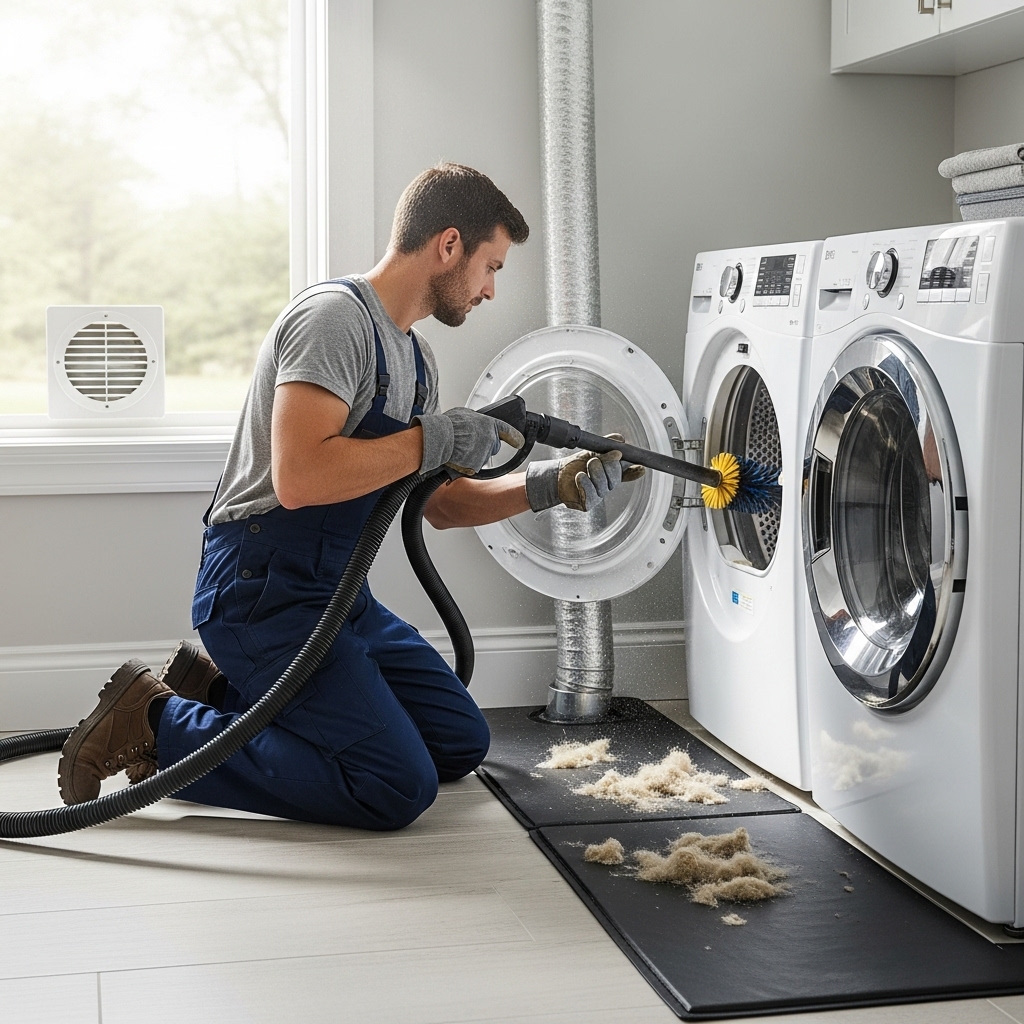
Professional dryer vent cleaning is more than a quick vacuum. Trained technicians perform a sequence of assessments, cleaning steps, and validation checks that address each part of your system:
- Initial visual inspection of the transition hose, duct path, lint accumulation, and termination hood.
- Airflow measurements to establish a baseline and identify restrictions.
- Specialized brushing and agitation tools sized for the vent diameter to dislodge compacted lint.
- High-powered vacuum extraction to remove loosened debris without spreading dust indoors.
- Cleaning or replacement of the transition hose if it is damaged, crushed, or made from unsafe materials.
- Exterior termination cleaning to ensure the hood opens freely and pest screens are clear.
- Post-cleaning airflow verification and functional testing of the dryer.
These steps are tailored to your vent’s length, number of turns, and material type. Homes in Elizabeth often feature complex vent routes due to older construction or space constraints; a professional service identifies hidden elbows, long runs, and compromised joints that DIY methods easily miss.
Why Dryer Vent Cleaning Matters in Elizabeth, NJ
Elizabeth’s housing stock and regional climate create specific conditions that make regular cleaning especially important:
- Older homes and retrofits can have longer or more convoluted vent runs.
- Multifamily buildings see heavier dryer usage and faster lint accumulation.
- Seasonal humidity can cause lint to clump and adhere to duct walls.
- Cold weather can stiffen exterior flappers, reducing exhaust and trapping moisture.
Regular, professional service helps keep air moving freely so clothes dry faster and equipment works within design limits. Proper ventilation also helps prevent condensation inside ducts, which can lead to corrosion, microbial growth, and unpleasant odors.
Common Warning Signs You Need Service
While a scheduled cleaning cadence is the best approach, these signals often indicate it is time to call in the pros:
- Dryer cycles take longer than they used to, even for small loads.
- The laundry room feels unusually warm or humid during a cycle.
- Clothes are hot to the touch or have a musty odor after drying.
- You see lint buildup around the dryer door, under the machine, or on the exterior hood.
- The exterior hood flap does not open fully during operation.
- The transition hose behind the dryer is crushed, kinked, or damaged.
- The dryer shuts off due to overheating or displays airflow-related errors.
How Pros Clean the Vent: Tools and Techniques
Professional cleaners use equipment that truly reaches the full length of the vent and removes compacted debris:
- Rotary brush systems that gently scrub duct walls without damaging rigid metal.
- Air whips and forward/reverse air jets to push and pull lint through complex routes.
- HEPA-filtered vacuums to capture fine particles safely and keep indoor air clean.
- Inspection mirrors or cameras to verify cleanliness in hard-to-see sections.
- Airflow meters and manometers to quantify improvements at the end of the job.
The technician will decide whether to clean from indoors, outdoors, or both, depending on access. In densely built areas of Elizabeth, cleaning from the exterior termination can be efficient, but many homes also benefit from interior access to address elbows and transition hoses that collect lint faster than straight runs.
Materials and Vent Path Considerations
Vent materials affect safety and long-term performance. Rigid metal ducting with smooth interiors is preferred because it resists crushing and reduces lint snagging. Semi-rigid aluminum transition connectors can be safe when installed correctly, but flexible plastic or foil tubing with spiral ridges can trap lint and is not recommended. A professional service inspects these components and may recommend replacing unsafe or damaged sections to restore proper airflow.
The vent path itself matters just as much as the material. Each 90-degree elbow adds resistance, and long horizontal runs can collect debris over time. Where building layout allows, shortening the route and minimizing turns improves performance. If rerouting is impractical, more frequent cleaning is a smart mitigation strategy for Elizabeth homes with extended vent runs.
Frequency: How Often Should You Schedule Service?
Usage, vent length, and installation quality all influence cleaning frequency. High-use households, large families, or shared laundry rooms typically need more frequent service than small households. As a starting point, many Elizabeth homeowners benefit from annual professional cleaning; large households or long vent runs may require biannual visits. Landlords and property managers often adopt a recurring schedule aligned with seasonal maintenance so that airflow never falls below safe thresholds.
DIY Versus Professional Service
There is a place for homeowner maintenance—emptying the lint screen every cycle, occasionally vacuuming behind and beneath the dryer, and checking the exterior hood for obstructions. However, DIY kits often struggle with tight elbows, long runs, and heavy compaction. Without the right tools, debris can be pushed deeper into the vent or the duct can be damaged. A professional service combines the correct equipment with trained technique, verifies the results with airflow tests, and can spot issues that compromise safety or performance.
Preparing Your Home for the Appointment
- Clear a path from the entrance to the laundry area.
- Move fragile items that might be near the dryer or along access routes.
- Ensure pets are secure and that someone with decision-making authority is present.
- Locate the exterior termination so the technician can access it quickly.
- Share any recent issues, such as overheating, noise, or persistent odors.
Preparation helps the technician work efficiently and safely, reducing time on site and ensuring the cleaning reaches every part of the system.
After the Cleaning: What to Expect
Following a thorough service, you should notice several improvements:
- Shorter drying times and more consistent results across fabric types.
- Reduced humidity and heat in the laundry area during operation.
- Lower lint accumulation on the exterior hood and around the dryer door.
- Smoother machine operation with less cycling on high-temperature cutoffs.
- Documented airflow readings that demonstrate measurable gains.
Technicians may also provide recommendations for better performance, such as replacing a crushed transition hose, upgrading an exterior hood, or scheduling a follow-up visit based on usage patterns.
Elizabeth-Specific Considerations
Elizabeth’s neighborhoods feature a mix of historic and newer buildings. Older homes can have unique vent routes that snake through basements or up to roof terminations, while newer townhomes may vent through side walls at heights that are hard to reach. Townhouses and row-style homes can suffer from wind-driven downdrafts that keep exterior flaps closed, and properties near busy roads may experience added dust and particles at the termination point. Recognizing these conditions helps tailor the cleaning method, choose the right tools, and set an appropriate maintenance interval.
Mid-Cycle Maintenance and Simple Habits
Between professional cleanings, simple habits make a big difference:
- Empty the lint screen before every load and occasionally wash it with mild soap to remove residue.
- Run smaller loads when possible to improve airflow through fabric and vent.
- Avoid drying items with heavy shedding fibers in consecutive loads without cleaning the screen.
- Check that the exterior flap opens freely when the dryer runs; clear visible lint if safe to do so.
- Keep the area around the dryer clean to reduce dust drawn into the system.
These practices help preserve the benefits of a professional service. If you notice airflow declining or cycles lengthening again, do not wait—schedule a mid-year cleaning. Building managers in Elizabeth who oversee shared laundry rooms should track usage and set proactive maintenance to prevent sudden outages that inconvenience residents.
Some homeowners also consider pairing cleaning with periodic inspection. Midway through the year, a quick airflow check or a look at the exterior hood can indicate whether a full service is needed sooner than planned. If conditions warrant, arrange another professional dryer vent cleaning to keep performance and safety on target.
Safety and Compliance
Lint is highly combustible, and restricted airflow causes dryers to run hotter and longer, increasing stress on internal components. Proper venting reduces these risks. Using safe materials, maintaining clear exhaust paths, and ensuring correct terminations are all part of a professional service. For multifamily properties, regular cleaning supports building maintenance plans and helps demonstrate due diligence for resident safety.
Troubleshooting Recurring Issues
If problems persist after a thorough cleaning, deeper issues could be at play:
- Improper vent slope causing condensation and debris sticking to duct walls.
- Crushed or punctured sections of duct hidden behind finishes.
- Faulty or poorly designed exterior hoods that obstruct flow.
- Mixed vent materials or excessive use of flexible connectors.
- Internal dryer problems such as a failing blower or temperature sensors.
In these cases, a technician may recommend minor repairs, component replacements, or coordination with an appliance specialist. The goal is to create a clear, durable, and code-compliant pathway for exhaust air.
Environmental and Energy Benefits
A free-flowing vent reduces drying time, which in turn lowers energy consumption and wear on fabrics. Small efficiency gains per cycle add up over months and years, especially in larger households. Clean vents also help dryers operate at intended temperatures, preserving garment quality and preventing scorching.
Frequently Asked Questions
Q: How long does a typical dryer vent cleaning take?
A: Most single-family homes can be completed within a single appointment. The time depends on vent length, number of turns, level of buildup, and ease of access to both the interior connection and exterior termination.
Q: Will the technician need to move my dryer?
A: Often yes. Accessing the transition hose and the vent connection behind the machine is crucial to thorough cleaning and inspection.
Q: Can I use a shop vacuum to clean the vent myself?
A: You can remove visible lint near the connection, but consumer vacuums and kits rarely reach and dislodge compacted debris deep in the system. Professional tools and techniques deliver more reliable results.
Q: Is it safe to vent a dryer into a crawlspace or garage?
A: No. Dryer exhaust contains moisture and lint and must be vented outdoors through an appropriate termination.
Q: How do I know if my exterior hood is working properly?
A: When the dryer runs, you should see the flap fully open and feel a steady stream of warm air. If it sticks, barely opens, or is clogged with lint, it needs attention.
Q: What materials are recommended for venting?
A: Smooth-wall metal ducting is preferred. Avoid thin plastic or foil vents with spiral ridges that can trap lint and may not be safe.
Q: Do scented dryer sheets or fabric softener impact airflow?
A: Residues can build up on the lint screen and slightly reduce flow. Washing the screen periodically with mild soap helps maintain performance.
Q: How often should multifamily buildings schedule service?
A: High-usage settings benefit from more frequent cleanings and routine airflow checks to keep shared laundry rooms operating efficiently and safely.
Ready for Cleaner, Safer Laundry in Elizabeth?
If your dryer takes too long, your exterior flap barely opens, or you simply want confidence that your home is protected, schedule a trusted dryer vent cleaning and enjoy faster cycles, improved efficiency, and peace of mind.
