Understanding What Drives Air Duct Cleaning Costs in Elizabeth, New Jersey
If you are researching the factors that influence what homeowners in Elizabeth, New Jersey can expect when planning an air duct cleaning, it helps to focus on quality, scope, and the unique features of your home rather than chasing numbers. In this guide, you will learn which elements typically shape the investment, how to assess value without relying on a price tag, and how to prepare your home so the work is efficient and thorough. Early in your planning, it is useful to understand what a professional crew actually does during air duct cleaning, how long the visit may take, and which add-ons might be relevant to your situation.
Elizabeth’s mix of historic houses, multi-family buildings, and newer construction means no two jobs look exactly the same. Construction era, the condition of ductwork, the location of the air handler, and the accessibility of returns and registers all influence how a project is scoped and scheduled. Thinking in terms of effort, time, and thoroughness—rather than a single figure—will help you compare companies on meaningful criteria and avoid common pitfalls.
Home and System Characteristics That Shape the Work
When professionals evaluate a property in Elizabeth, they consider a wide set of characteristics that determine how comprehensive the cleaning must be and how long the crew will be onsite. Square footage is only one data point. The number of supply registers and return grilles, the presence of multiple zones or air handlers, the length and configuration of runs, and whether ducts are rigid metal or flexible all affect the approach. Older homes may have tighter crawlspaces or partially concealed chases that require more meticulous setup and careful navigation.
The location of the air handling unit also matters. Units in basements with clear access may streamline preparation and containment compared to equipment in attics, utility closets, or rooftop enclosures. Technicians also note whether the system uses high-MERV filters, whether there is evidence of past water intrusion, and if there are inline components like humidifiers or UV lights that need to be protected. Each of these details informs the number of crew members, the type of equipment brought to the site, and the steps needed to protect your home’s finishes and belongings.
Contamination Level and Indoor Air Quality Concerns
Another major driver is the degree and type of debris inside the ductwork. Light household dust calls for a different strategy than accumulations that include construction drywall residue, pet dander, or visible biological growth. In Elizabeth, seasonal pollen surges and humidity swings can contribute to deposits that require additional attention, especially if filtration has been inconsistent. If there are signs of moisture in the system, responsible professionals will emphasize containment, negative pressure, and safe removal methods to prevent redistribution of particles into living spaces.
Technicians also look for conditions that point to air leaks, such as dirt streaks along seams or at duct connections. Air leakage can draw in attic or basement particulates that repeatedly cycle back into the system, making deposits return more quickly. Addressing leakage—by recommending repairs or sealing—supports a longer-lasting result from the cleaning and prevents a rapid reaccumulation of dust.
Access and Complexity
Accessibility is one of the largest variables professionals evaluate. In some homes, registers are easy to reach and straight runs allow vacuums and agitation tools to move smoothly through the system. In other homes, tight turns, offsets, or transitions from metal to flex require specialized brushes or air whips and more careful technique. Multi-family units introduce logistics like shared mechanical rooms, limited parking for large vacuum trucks, and the need for building permissions and elevator scheduling.
If you have finished ceilings concealing much of the trunk line, a crew may need to make additional access points for a thorough cleaning, then restore those openings. Crews also ensure that delicate finishes—freshly painted walls, ornate baseboards, or custom floor vents—are protected during setup and takedown. The more complex the path from the vacuum source to the farthest register, the more deliberate and time-intensive the process becomes.
Scope of Work and Add-On Services
Beyond the ducts themselves, a comprehensive project can include the air handler cabinet, blower wheel, evaporator coil housing exterior, and return plenum. Some situations benefit from cleaning the dryer vent, bathroom exhaust runs, or duct-mounted accessories. Depending on the system’s condition, technicians might recommend filter housing improvements or registering abnormal noise or vibration that could point to airflow restrictions. While not every home needs add-ons, including them when warranted can protect your HVAC equipment and support better indoor air quality over time.
Homeowners sometimes ask about optional sanitizing steps. Responsible teams base recommendations on observed conditions. If there is a specific concern, they will explain what the product does, how it is applied, what safety measures are in place, and what outcome to expect. The important part is transparency—clear reasoning for each task and how it contributes to the final result.
Appointment Length and Scheduling Considerations
Scheduling influences how a crew stages a project. Some Elizabeth homes can be completed within a single extended visit; others are more efficient in two segments if access is constrained or if multiple systems are present. Seasonality affects timing too. During peak heating or cooling months, crews coordinate to minimize downtime so your comfort is not interrupted. If family members work from home or there are small children or pets, the plan can incorporate quiet periods and safe containment areas to keep everyone comfortable.
Preparation on your part can streamline the day. Clearing areas around registers, moving fragile items from high-traffic pathways, and making parking available for equipment can reduce setup time. Good communication about household schedules and any concerns—such as sensitivities to dust or noise—helps the team tailor their approach.
What a Thorough Cleaning Typically Includes
Understanding the sequence of a well-executed project helps you evaluate proposals and outcomes. While every company has its own workflow, a comprehensive approach usually includes these elements.
- Initial walkthrough to confirm system layout, identify returns and supplies, and document existing conditions in key areas.
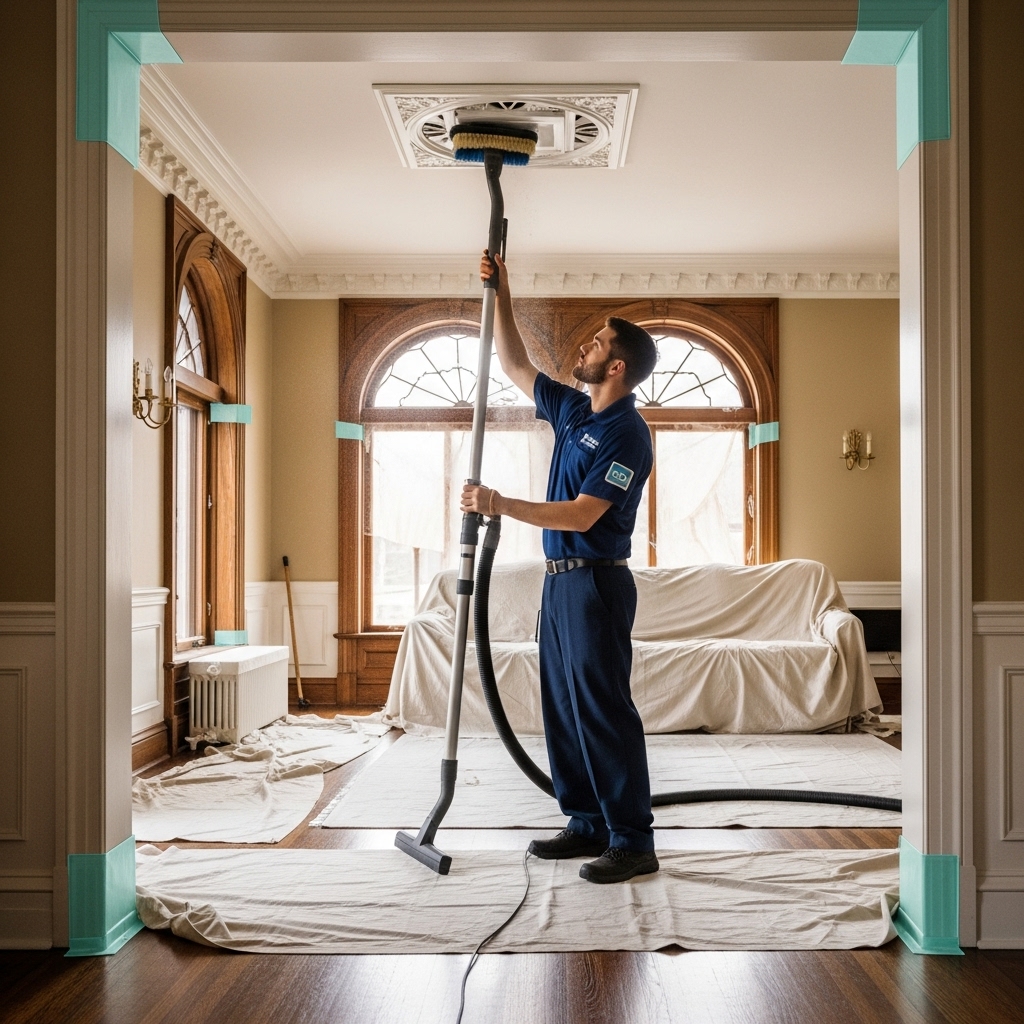
- Protective measures such as drop cloths, corner guards, register shields, and temporary containment to keep living areas clean.
- Establishing negative pressure with a high-powered vacuum connected to the trunk line to capture dislodged debris effectively.
- Agitation using brushes, air whips, or compressed air tools, moving methodically from the furthest runs back toward the main trunk.
- Attention to returns and the return plenum, which often hold the heaviest accumulation since they draw air from the home.
- Cleaning of the air handler cabinet and accessible components as appropriate to prevent immediate recontamination of the ducts.
- Replacement or inspection of filters and a review of filtration choices compatible with the system’s airflow capabilities.
- Final verification, including visual checks and, when offered, photo documentation to confirm completion.
How to Compare Proposals Without Relying on a Number
Comparing companies is not just about the bottom line. Ask what areas are included, how many registers and returns are covered, what equipment will be used, and how access will be created and restored if needed. Clarify whether the air handler cabinet is included, what level of protection is provided for your home, and how the team will manage containment and negative pressure. When proposals describe their workflow in clear, specific terms, it becomes easier to understand the value of the service.
It also helps to ask about training, insurance, and what the crew will do if they encounter unexpected conditions such as signs of moisture or pest intrusion. Clear answers demonstrate preparedness and professionalism. In the middle of your research, revisit the scope and make sure it aligns with the outcomes you want from air duct cleaning, such as improved cleanliness, better airflow, and system protection.
Common Misconceptions About Air Duct Cleaning
One misconception is that the task is quick and identical from home to home. In reality, thorough work is detailed and systematic, especially in homes with complex layouts or long runs. Another misconception is that once ducts are cleaned, they remain pristine indefinitely. The truth is that homes constantly generate dust from fabric fibers, skin cells, and outdoor particulate tracked inside. Good filtration, regular HVAC maintenance, and periodic cleanings preserve the benefits of the service.
Some people also believe any vacuum will do. Effective source removal relies on high-powered equipment that can sustain strong negative pressure, combined with agitation tools appropriate for the duct material. The goal is not just to move dust around but to extract it safely into sealed collection systems.
Local Considerations in Elizabeth, NJ
Elizabeth’s proximity to transportation corridors and industrial areas means outdoor particulates can settle inside more quickly, especially during seasons when windows are frequently opened. Historic homes may have unique registers, plaster walls, or original woodwork that require careful protection. Multi-family buildings and row houses introduce shared infrastructure and scheduling protocols. Knowing these local characteristics, experienced teams plan for parking logistics, building access, and protective measures tailored to the property type.
Weather patterns also matter. High humidity in the summer can combine with temperature differences to create condensation on or near components, which requires attention to airflow, insulation, and drainage. In the winter, dry indoor air and frequent system cycling may spread dust more noticeably. A customized plan that accounts for these seasonal dynamics helps sustain cleaner ducts and more comfortable air year-round.
Ways to Extend the Benefits After Cleaning
Once your system is cleaned, simple habits extend the results. Maintaining a consistent filter change schedule, ensuring return grilles are not blocked by furniture, and keeping floor registers clear of rugs or debris all help. If a renovation is planned, consider temporary filter upgrades and containment strategies to minimize the introduction of construction dust into the ductwork.
- Adopt a filter replacement routine based on your household’s needs and the manufacturer’s guidance for your system.
- Use doormats at entries and encourage shoe removal to reduce tracked-in particulates.
- Vacuum and dust regularly with tools that capture fine particles rather than recirculating them.
- Check for signs of condensation around the air handler or in humid areas and address moisture promptly.
- Keep supply and return grilles open to maintain proper airflow and system balance.
- Schedule periodic HVAC tune-ups to verify airflow, blower performance, and proper filtration fit.
Questions to Ask Before You Schedule
Preparation is easier when you know what to ask. Request a description of the containment setup and how the crew will protect surfaces. Ask how they confirm completion and whether they provide before-and-after images. Clarify which components will be included in the cleaning and how they will handle sensitive areas such as attic runs or crawlspace trunks.
It is also helpful to ask how many technicians will be onsite and how long they expect the visit to take, given your home’s specifics. If the job scope changes based on conditions found during the visit, ask how the team will communicate those findings and what options you will have. Clear expectations on both sides lead to a smoother experience.
Red Flags to Avoid
Be cautious of promises that every job can be finished in an unusually short time or that every home requires the same steps. Avoid vague descriptions that do not specify which registers, returns, or components are included. High-pressure tactics to add services without a clear reason are another warning sign. You deserve clear explanations for each recommendation and a transparent plan aligned with your goals for cleaner air and system care.
Also beware of approaches that skip establishing negative pressure or rely on minimal agitation. The point of a professional service is effective source removal with proper containment, not just surface-level dusting. A credible plan emphasizes method, protection, and verification.
Frequently Asked Questions
Q: How often should a home in Elizabeth consider cleaning ductwork? A: Frequency depends on household factors such as pets, allergies, renovation history, and filtration practices. Many homes benefit from periodic cleanings as part of broader HVAC maintenance, especially after projects that generate dust.
Q: Will cleaning the ducts improve airflow? A: Removing heavy debris, ensuring returns are unobstructed, and checking for crushed flex or blocked grilles can improve airflow. Technicians may also identify issues like closed dampers or kinked runs that restrict movement.
Q: Is sanitizing always necessary? A: Not always. Responsible professionals recommend it only for specific conditions. They will explain the purpose, application method, and safety procedures if it is appropriate.
Q: Can I stay home during the visit? A: Yes. Crews work around household routines. It helps to designate a quiet space for family members and pets while the team is moving equipment and establishing containment.
Q: What can I do beforehand to prepare? A: Clear access to registers, move fragile items from pathways, secure pets, and share any concerns about allergies or sensitivities so the team can plan accordingly.
Ready to Improve Your Home’s Air in Elizabeth?
If you are planning a project and want a clear, thorough process focused on results, consider scheduling professional air duct cleaning with a team that explains each step, protects your home, and verifies completion. With careful preparation and a transparent scope, you can support cleaner indoor air, protect your HVAC system, and feel confident about the work from start to finish.
