Planning an air duct cleaning project for your Elizabeth, New Jersey home or small business is easier when you know what the day will look like, how to prepare, and what influences the schedule. Timelines depend on system layout, access, and how much debris is present, but there are consistent milestones you can expect. This guide walks you through the sequence from first call to final walkthrough, and explains how to align the work with your routine so the project runs smoothly. If you’re early in your planning, start with a clear understanding of what professional air duct cleaning includes and how a well-organized process helps deliver clean, balanced airflow.
Elizabeth’s neighborhoods span stately homes, multifamily buildings, and commercial spaces. Ductwork may run through basements and utility rooms in older homes, or across attic spaces in newer construction. Some buildings feature lined metal trunks and long returns; others rely on flex duct for branches. The route your air takes from handler to registers influences how technicians access and clean the system, which in turn affects timing.
From inquiry to appointment: the planning phase
The timeline begins before technicians arrive. A typical planning sequence includes:
- Initial conversation: You share the property type, approximate square footage, number of occupants, and any notable conditions (pets, recent renovations, odors, or dust complaints). The provider explains the process and suggests appointment windows.
- Pre-visit details: You receive guidance about moving small items away from vents, securing pets, and identifying access to basements, attics, or utility closets. If there are unique conditions—tenants, work-at-height needs, or sensitive rooms—these are noted.
- Scheduling: A date and window are set. Larger properties or homes with multiple systems may require a longer window or a second day.
Good communication here lays the groundwork for a smooth visit. If documentation is important to you—before-and-after photos or a final summary—confirm those expectations during this phase.
Arrival and setup
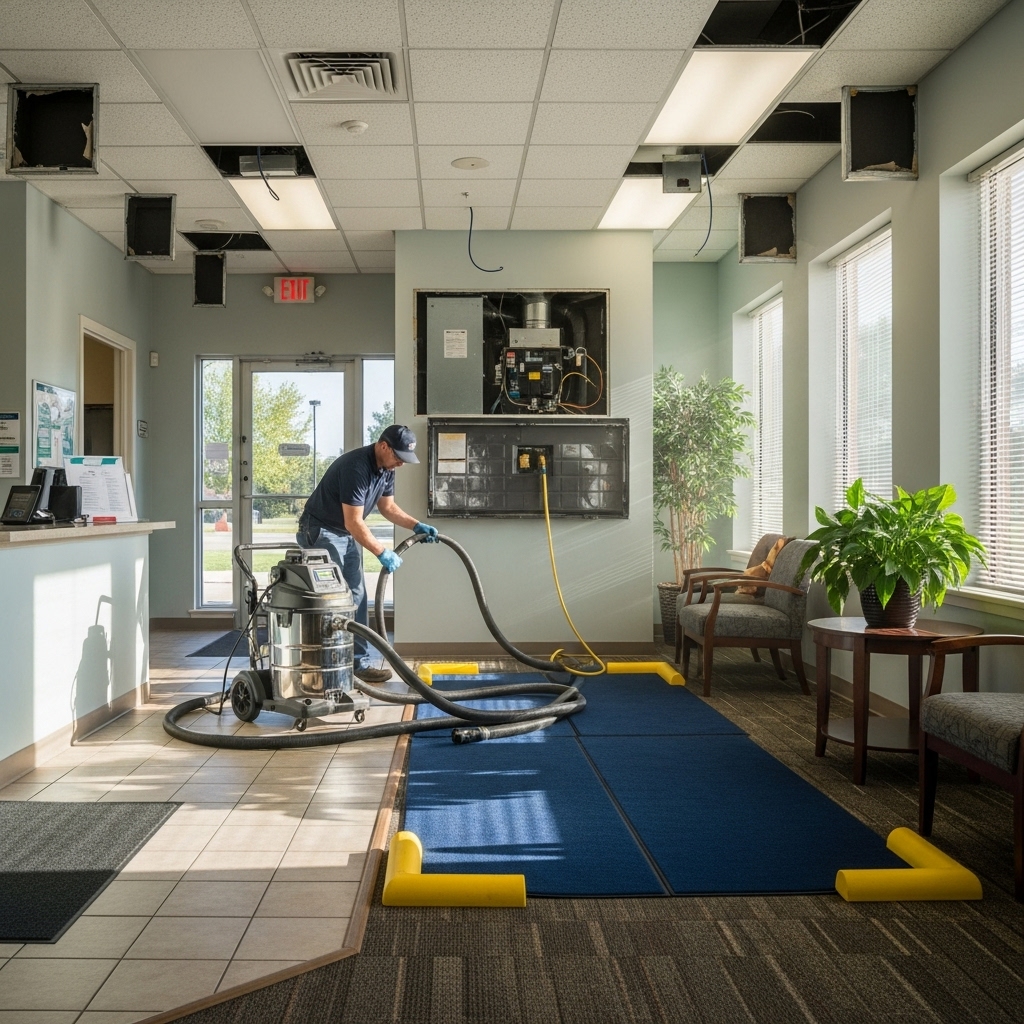
On the day of service, the crew arrives within the scheduled window and conducts a walk-through to confirm vent counts, system location, and access paths. Floor protection and corner guards are installed, and negative-pressure collection equipment is staged. The team will identify where service ports are needed to reach interior duct surfaces efficiently and safely. Doors may be propped briefly to route hoses; technicians should tidy as they go to keep pathways clear.
Depending on your property, a short period may be dedicated to installing access points in trunk lines, returns, or plenums. This step is crucial for reaching areas that otherwise accumulate debris—particularly return drops, long runs, and transitions. Properly fitted ports are resealed after the work is complete to maintain duct integrity.
Agitation and collection
With setup finished, technicians begin systematic cleaning. Mechanical agitation—whips, brushes, and compressed air tools—dislodges dust from duct walls and branches. This dislodged debris is immediately drawn into a powerful vacuum hooked to the duct system under negative pressure. Registers and grilles are removed and cleaned; vents are addressed one by one to ensure each pathway is cleared.
Agitation settings are matched to the material: gentler methods for flex duct and cautious passes for internally lined sections to avoid tearing or damaging insulation. When coils, blower compartments, and drain pans are included in scope, those components are cleaned to complement duct cleaning and reduce sources of odors and debris accumulation.
Verification and resealing
After the passes are complete, technicians verify that surfaces are clean—visually and, when requested, with photos. Access ports are sealed, registers reinstalled, and the workspace tidied. You’ll receive a walkthrough of findings: any disconnected runs noted, signs of air leaks, or areas where insulation is compromised. This close-out conversation is an opportunity to discuss simple improvements like sealing accessible joints or adjusting filter selection.
Typical timing by property type
Every property is unique, but general patterns help set expectations:
- Single-system homes: A well-coordinated team often completes a visit within several hours, addressing all supply and returns plus the air handler area. Tight basements or numerous registers can extend the session.
- Homes with multiple systems: Larger houses or multifamily spaces with two systems will take longer, sometimes best split into phases to align with your schedule.
- Small commercial suites: Offices or retail areas with standard ceiling heights and accessible diffusers may be handled in a series of shifts, often scheduled after business hours to minimize disruption.
The range depends on vent count, access, debris levels, and whether coil cleaning or minor sealing are included.
Factors that influence the schedule
Several variables affect how long your appointment lasts:
- Access complexity: Ducts routed through tight utility rooms, high ceilings, or over built-ins require careful setup and sometimes specialized equipment.
- Debris accumulation: Households with shedding pets or properties that recently underwent renovation often need additional agitation passes.
- System configuration: Long branch runs, multiple returns, lined duct sections, and numerous transitions can all add time.
- Add-on tasks: Cleaning blower compartments, coil surfaces, or addressing minor air leaks during the visit extends the session but may improve performance and cleanliness.
Remember, the goal is thoroughness. A methodical team works efficiently without cutting corners. The payoff is cleaner pathways for air and a home or workspace that stays fresher longer.
Planning your day around the appointment
Because doors may be open and hoses routed, pets should be secured and children kept away from work areas. If you work from home, plan phone calls outside of agitation periods, which can be noisier. Technicians can often adjust sequence to complete certain rooms first—useful for nurseries, home offices, or bedrooms where quiet time is needed later in the day. Communicate these priorities at the start of the visit.
Maintaining results after cleaning
Once the ducts are clean, keep the system in good condition with habits that support indoor air quality:
- Choose filters with a MERV rating appropriate to your equipment and household needs, and change them on schedule.
- Vacuum and dust registers regularly to reduce debris entering the system.
- Keep vents open and unblocked to maintain balanced airflow throughout rooms.
- Seal accessible joints in basements or utility spaces to limit infiltration of unconditioned air and dust.
These steps complement the cleaning work and can help extend the interval before the next service.
Midpoint check: aligning expectations
In the middle of your planning, consider whether you want documentation such as photos or a summary of findings. If odors have been persistent, request specific attention to return pathways and the blower compartment. If you have recently completed renovations, confirm that the sequence places cleaning after major dust-generating activities. And if your aim is to tie cleaning to filter upgrades or humidity control improvements, coordinate these steps so they happen in the right order. As you finalize your plan, booking professional air duct cleaning with a well-organized provider ensures the appointment stays on track and aligns with your day.
What about financial planning?
Even without quoting figures, it’s helpful to understand what shapes a project’s investment level. Properties with many registers, complex access, elevated runs, or heavier debris typically require more time and resources. Extra documentation, night work, or special safety measures also influence the overall level of effort. During initial conversations, share your priorities and constraints so the provider can tailor the scope and sequence accordingly. A transparent discussion prevents surprises and keeps the job aligned with your goals.
Addressing moisture, odors, and special concerns
If technicians observe signs of moisture—condensation around uninsulated sections, damp insulation, or rust—expect them to note sources and recommend steps to address them. Odors often improve with cleaning but may also benefit from attention to filter selection and humidity management. Where antimicrobial products are recommended, the team should provide information about product suitability for HVAC use and whether application is warranted for your specific conditions.
Frequently Asked Questions
How far in advance should I schedule?
Lead times vary seasonally, but reaching out a couple of weeks ahead helps secure a preferred window. If you’re coordinating around travel, renovations, or tenant schedules, earlier contact allows more flexibility.
Will the process be messy?
Professionals protect floors, contain work areas, and use high-efficiency filtration on collection equipment. Some dust may be disturbed near registers, but technicians clean work areas and reinstall registers before they leave.
Can I stay in the home during the appointment?
Yes. Expect moderate noise during agitation. Many homeowners remain on-site and use quieter rooms while the crew works in other areas. Technicians can sequence rooms to accommodate your needs.
Do I need chemical treatments?
Not necessarily. Many projects achieve excellent results through mechanical cleaning alone. If a treatment is suggested, it should be appropriate for HVAC use, and its necessity should be explained clearly.
How soon will I notice a difference?
Many people notice reduced dust around vents and a fresher smell when the system cycles. Over time, improved airflow distribution can contribute to more consistent comfort throughout rooms.
Final thoughts for Elizabeth property owners
From initial planning through final walkthrough, clarity and communication are your allies. Share your priorities, ask questions about methods, and make sure the sequence fits your day. When you are ready to move forward with a team that respects your time and your space, reserve a visit for expert air duct cleaning so you can enjoy cleaner airflow and a tidy, well-managed experience from start to finish.
